Table of Contents
- What Defines Eco-Friendly Luxury Villas in Costa Rica
- Sustainable Design and Architecture
- Renewable Energy and Water Conservation Systems
- Sustainable Luxury Vacation Rentals Costa Rica: What Sets Them Apart
- Vacation Rental Management in Guanacaste: Balancing Profit and Planet
- Carbon Neutral Certification and Environmental Stewardship
- Finding Your Ideal Eco-Luxury Villa: Location, Season, and Accessibility
- Frequently Asked Questions
Last Updated: September 27, 2026
What Defines Eco-Friendly Luxury Villas in Costa Rica
Eco-friendly luxury villas in Costa Rica represent a distinct category of high-end vacation rentals that merge sustainable design with premium amenities. Unlike standard luxury properties, these villas integrate renewable energy systems, water conservation technology, and biophilic design principles while maintaining the comfort standards guests expect from five-star accommodations.
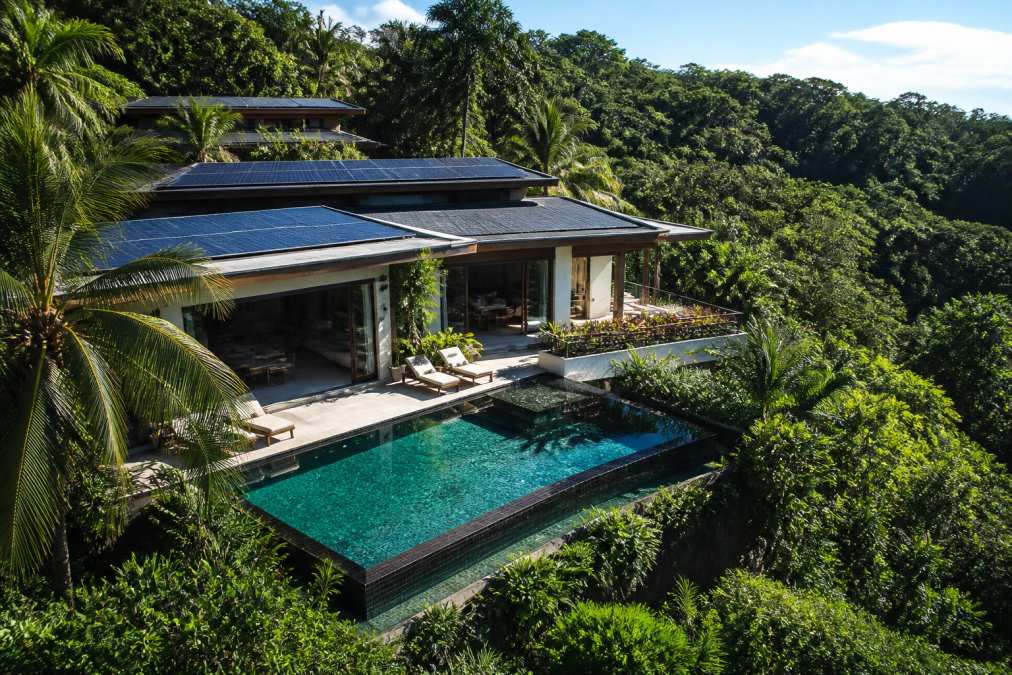
The defining characteristic is intentionality. These aren't luxury villas with token solar panels or a few eco-friendly amenities tacked on. True eco-friendly luxury villas in Costa Rica operate on a foundation of environmental stewardship. They use local materials in construction, minimize their carbon footprint through off-grid systems, and contribute measurably to conservation efforts in their regions.
What sets them apart is the operational philosophy. Most luxury properties prioritize guest comfort above all else. Eco-friendly versions balance comfort with ecological responsibility. A guest at a sustainable luxury villa still enjoys heated infinity pools, premium bedding, and gourmet kitchens. The difference: these comforts are delivered through systems designed to minimize environmental impact.
According to Costa Rica's National Institute of Biodiversity, the country protects over 25% of its land through conservation areas and protected zones. Properties operating within or adjacent to these regions face stricter environmental standards, which drives innovation in sustainable luxury design. This regulatory environment has made Costa Rica a leader in eco-luxury tourism.
Sustainable Design and Architecture
Sustainable architecture in Costa Rican luxury villas goes beyond aesthetics. It addresses how buildings interact with their environment, how materials are sourced, and how the structure minimizes ongoing environmental harm.
Biophilic design dominates the best examples. This approach integrates natural elements directly into living spaces. Open-air pavilions, living walls, and indoor-outdoor transitions blur the boundary between interior comfort and rainforest or oceanfront surroundings. The result feels less like a building imposed on nature and more like a structure that belongs within it.
Local sourcing of materials is standard practice. Teak, bamboo, and other native hardwoods replace imported materials. Local stone replaces marble shipped from overseas. This reduces transportation emissions while supporting local economies. More importantly, it creates a visual and tactile connection to place. Guests stay in homes that reflect the region's character.
Passive cooling and natural ventilation reduce reliance on air conditioning. High ceilings, strategic window placement, and natural cross-ventilation allow properties to maintain comfortable temperatures using airflow rather than mechanical systems. In Costa Rica's tropical climate, this works consistently well. Properties designed this way consume 40-60% less energy than conventionally air-conditioned villas.
Water management systems are integral to sustainable villa design. Rainwater harvesting captures precipitation for irrigation and non-potable uses. Greywater systems recycle water from showers and sinks for landscape watering. These systems aren't afterthoughts, they're designed into the property from the ground up.
Renewable Energy and Water Conservation Systems
Solar power is the foundation of most eco-friendly luxury villas in Costa Rica. Photovoltaic panels generate electricity, while solar thermal systems heat water. Modern battery storage allows properties to operate off-grid or reduce grid dependence significantly. A well-designed system provides consistent power even during rainy season, when cloud cover is heaviest.
The sophistication of these systems matters. Entry-level eco-villas use basic solar setups that require grid backup during cloudy periods. Premium properties invest in hybrid systems combining solar, wind generation, and battery storage. Some include backup generators fueled by sustainable biofuels. This redundancy ensures guests never experience power interruptions while minimizing fossil fuel dependence.
Water conservation goes beyond capturing rainwater. Low-flow fixtures reduce consumption without sacrificing pressure or comfort. Smart irrigation systems use soil moisture sensors to water landscaping only when needed. Native plants and drought-resistant species replace water-hungry imported vegetation. Combined, these measures reduce water consumption by 50-70% compared to standard luxury properties.
Wastewater treatment is often overlooked in luxury villa discussions, but it's critical. Constructed wetlands and biological treatment systems clean greywater naturally before it returns to groundwater or nearby water sources. This protects local ecosystems and reduces strain on municipal water systems in regions where infrastructure is limited.
Sustainable Luxury Vacation Rentals Costa Rica: What Sets Them Apart
The market for sustainable luxury vacation rentals Costa Rica has grown significantly as travelers increasingly prioritize environmental impact. What differentiates genuine eco-luxury from greenwashing is measurable impact and transparent operations.
Authentic sustainable properties track their environmental metrics. Carbon footprint calculations, energy consumption data, water usage, and waste diversion rates are documented and often shared with guests. This transparency builds trust and allows property owners to identify efficiency improvements. It also demonstrates that eco-friendly claims rest on actual data, not marketing language.
Guest education is another differentiator. Properties that explain how their systems work create more conscious visitors. When guests understand that their shower uses rainwater or that the home generates its own power, they tend to be more conservation-minded during their stay. Some properties include welcome packets detailing sustainability features and inviting guests to participate in conservation practices.
Community engagement separates exceptional properties from adequate ones. The best sustainable villas support local conservation organizations, employ local staff, source food from regional suppliers, and contribute to community projects. This creates economic benefit that extends beyond the property, building goodwill and demonstrating genuine commitment to environmental stewardship rather than profit extraction.
Vacation Rental Management in Guanacaste: Balancing Profit and Planet
Managing a high-end vacation rental in Guanacaste requires balancing financial performance with environmental responsibility. Many property owners initially worry that sustainability features will reduce profitability or limit market appeal. The opposite is true.
Guests specifically seeking eco-friendly luxury villas in Costa Rica are willing to pay premium rates. They book properties because of sustainability features, not despite them. Properties with certified green credentials, documented renewable energy systems, and transparent environmental practices command higher nightly rates than comparable luxury villas without these distinctions.
Professional management becomes essential at this level. Marquis Stays Property Management handles the complexity of operating sustainable properties, managing guest communication about environmental features, coordinating maintenance of specialized systems, and tracking performance metrics that matter to eco-conscious owners. For remote property owners in Guanacaste, this professional oversight ensures systems operate efficiently and guests understand the value they're receiving.
Operational efficiency directly impacts profitability. Solar systems, water conservation, and waste reduction lower operating costs. A well-maintained sustainable villa costs less to operate than a traditional luxury property. Over time, these savings compound. Owners see improved margins while maintaining or exceeding market rates.
The key is avoiding the false choice between sustainability and profit. Properties designed thoughtfully integrate both. Renewable energy reduces utility costs. Water conservation lowers water bills. Efficient operations mean fewer emergency repairs. Environmental responsibility and financial performance reinforce each other.
Carbon Neutral Certification and Environmental Stewardship
Carbon neutral certification has become increasingly important for high-end properties, but not all certifications carry equal weight. Understanding the frameworks available helps guests and owners distinguish genuine environmental commitment from greenwashing.
The most recognized certification for Costa Rican eco-villas is the Certification for Sustainable Tourism (CST), administered by Costa Rica's Instituto Costarricense de Turismo (CST Tourism Sustainability - Instituto Costarricense de Turismo). CST evaluates properties across five levels based on environmental management, conservation practices, community benefit, and guest education. A five-leaf CST rating indicates the highest standard of sustainable operation. Unlike generic "eco-friendly" claims, CST requires annual audits and documented evidence of environmental practices. Properties must demonstrate measurable reductions in energy, water, and waste, not just install renewable systems.
LEED (Leadership in Energy and Environmental Design) certification, while more common in North America, is increasingly pursued by Costa Rican luxury villas targeting international markets.
Finding Your Ideal Eco-Luxury Villa: Location, Season, and Accessibility
Ground Transportation Options: Properties accessible by road from San José or regional airports allow guests to rent electric vehicles or hybrid cars. Several rental agencies now offer Tesla Model 3 and Model Y rentals, with charging stations at major hotels and some eco-villas. For properties without EV availability, carbon-offset programs allow guests to offset rental car emissions through verified reforestation or renewable energy projects. Properties in accessible locations should provide information on low-emission vehicle options rather than defaulting to standard gasoline rentals.
| Feature | Oceanfront/Coastal | Rainforest | Mountain |
|---|---|---|---|
| Solar Efficiency | Excellent | Moderate (rainy season) | Good year-round |
| Water Availability | Rainwater critical | Abundant rainfall | Seasonal variation |
| Natural Cooling | Ocean breezes | Canopy shade | Elevation advantage |
| Road Accessibility | Generally good | Challenging | Moderate |
| EV Rental Availability | High | Low | Moderate |
| Privacy Level | Variable | Excellent | Good |
| Seasonal Carbon Impact | Lower in dry season | Lower in rainy season | Consistent year-round |
Frequently Asked Questions
What defines an eco-friendly luxury villa in Costa Rica?
An eco-friendly luxury villa combines high-end amenities with measurable environmental practices. This includes renewable energy systems (solar panels), water conservation through rainwater harvesting, sustainable building materials, waste management programs, and biophilic design that integrates the natural environment. True eco-luxury villas in Costa Rica minimize their carbon footprint while maintaining five-star comfort, private pools, concierge services, and modern facilities. The distinction lies in transparency: verifiable certifications and documented sustainability practices separate genuine eco-villas from properties using 'green' as marketing language.
Are there sustainable luxury vacation rentals in Guanacaste that offer professional management?
Yes. Guanacaste hosts numerous eco-conscious luxury properties, from oceanfront villas in Tamarindo and Potrero to rainforest estates in La Fortuna. Professional vacation rental management in Guanacaste now emphasizes sustainable operations alongside revenue optimization. Full-service managers handle guest communication, maintenance, and housekeeping, allowing remote owners to benefit from both environmental stewardship and consistent occupancy. Data-driven management ensures properties maintain eco-standards while maximizing direct-booking revenue through strategic positioning and guest experience excellence.
How do eco-friendly villas in Costa Rica minimize their environmental impact?
Sustainable villas employ multiple strategies: solar panels reduce grid dependency, rainwater harvesting systems supply irrigation and non-potable water, local sourcing of materials reduces transportation carbon footprint, and waste management programs minimize landfill contribution. Many incorporate biophilic design principles that work with the ecosystem rather than against it. Properties near rainforest or ocean preserve biodiversity by using native landscaping and limiting light pollution. Carbon neutral certification programs track and offset remaining emissions. Professional management ensures these systems operate continuously, not just during peak seasons.
What's the best time to visit eco-luxury villas in Costa Rica?
Dry season (December to April) offers consistent weather and peak accessibility, though properties are fully booked months ahead. Green season (May to November) provides lower rates, lush landscapes, and fewer crowds, with afternoon rainfall that actually enhances the rainforest experience. For eco-conscious travelers, shoulder months (May-June, September-October) balance affordability with favorable conditions. La Fortuna's rainforest climate differs from Tamarindo's coastal patterns, so seasonal considerations vary by region. Professional management teams advise optimal timing based on your property's specific location and your personal comfort preferences.