Table of Contents
- Why Guest Communication Best Practices Matter for Revenue
- Vacation Rental Guest Communication Templates That Convert
- Pre-arrival Guest Communication Timeline: When and What to Send
- Automating Guest Messaging Without Losing the Personal Touch
- How to Handle Guest Complaints in Vacation Rentals Effectively
- Personalization and Active Listening: The Foundation of Guest Experience
- Omnichannel Communication: Meeting Guests Where They Are
- Post-Stay Retention: Converting One-Time Guests Into Loyal Direct Bookers
- Frequently Asked Questions
Last Updated: August 30, 2026
Why Guest Communication Best Practices Matter for Revenue
Guest communication is the difference between a one-time booking and a direct repeat customer who bypasses Airbnb entirely. Properties that nail guest communication see higher occupancy rates, better reviews, and more direct bookings. When guests feel heard and cared for, they return directly to you instead of browsing other listings.
Direct bookings eliminate commission fees and give you complete control over your calendar. A guest who books direct multiple times generates 30-40% more revenue per booking cycle than one who cycles through OTA platforms (peer-reviewed research). The foundation of that loyalty is communication that feels personal, timely, and professional.
The challenge is scaling this without burning out. The solution lies in strategic automation paired with genuine personalization.
Vacation Rental Guest Communication Templates That Convert
Templates maintain consistency while ensuring no guest falls through the cracks.
Pre-arrival messaging framework
Your pre-arrival messages set expectations and build excitement. A strong sequence covers three moments: booking confirmation, property overview with local context, and final logistics.
The booking confirmation should land within 2 hours of purchase. Keep it brief, confirm dates, property name, and a warm welcome. The property overview email arrives 14 days out and includes house rules, WiFi details, parking information, and local recommendations. The final message comes 3 days before arrival with check-in instructions, key pickup details, and emergency contacts.
Each template should feel personal. Use their name and reference something specific about their booking (family of four, anniversary trip, first time in Costa Rica).
In-stay and check-in templates
Send a check-in confirmation message when guests arrive, acknowledging receipt and offering immediate support. This proactive approach prevents small issues from becoming complaints.
In-stay messaging should be sparse but strategic. Send a message after 24 hours checking in, and another at the midpoint of their stay offering recommendations or assistance. Keep these brief and genuine.
Post-stay retention messages
Post-stay messaging is where most owners fail. Instead of a generic thank-you, send a two-week sequence. The first message arrives the day after checkout, thanking them and asking for feedback. The second message, sent one week later, offers a 10% discount if they book direct within 30 days. The third message, sent two weeks out, includes photos from their stay and a personal note.
| Message Type | Timing | Purpose | Key Elements |
|---|---|---|---|
| Booking Confirmation | Within 2 hours | Reassure guest | Dates, property name, warm welcome |
| Property Overview | 14 days before | Answer questions | House rules, WiFi, parking, local tips |
| Final Logistics | 3 days before | Practical details | Check-in instructions, emergency contact |
| Check-in Confirmation | Upon arrival | Immediate support | Welcome message, availability statement |
| 24-Hour Check-in | 24 hours into stay | Proactive service | Brief offer of assistance |
| Post-Stay Thank You | Day after checkout | Gather feedback | Request review, offer incentive |
| Direct Booking Offer | 7 days post-stay | Retention incentive | 10% discount for direct rebooking |
| Photo Follow-up | 14 days post-stay | Personal touch | Memories, personalized note |
Pre-arrival Guest Communication Timeline: When and What to Send
45 days before arrival: Booking confirmation and property overview
The booking confirmation should land instantly. Confirm their dates, property name, and check-in time. Close with warmth: "We're thrilled to host you. You're going to love it here."
The property overview email follows 2-3 days later. Include a short video walkthrough if possible, guests who see the property in motion book with more confidence. Cover WiFi password, parking details, thermostat controls, and where to find essentials. Include a photo of your property manager or team to humanize the experience.
14 days before: Check-in details and house rules
Send your check-in logistics email two weeks out. Include your check-in window, whether self-check-in is available, parking instructions, and how to access the property. House rules should be clear but not overwhelming, focus on quiet hours, parking restrictions, and activities requiring advance notice.
This email is also the right place for local recommendations. Mention 3-5 restaurants within walking distance, the nearest grocery store, and one or two activities specific to your region. This positions you as a local expert.
3 days before: Final confirmation and local recommendations
Three days before arrival, send a final confirmation message. Confirm their arrival date, check-in time, and offer one more chance to ask questions. Include your phone number and emergency contact.
Include a short note about expected weather, what to pack, and one insider tip about the area. If there's a local market day, festival, or event happening during their stay, mention it.
Automating Guest Messaging Without Losing the Personal Touch
Automation is essential when managing multiple properties. The trick is making automated messages feel personal.
Setting up triggers and workflows
Use trigger-based systems that send messages when specific events occur: booking confirmation, check-in date approaching, post-checkout date reached. This approach feels responsive rather than scheduled.
Most property management platforms (Guesty, Hostfully, Lodgify) allow you to set up these workflows. Use merge fields ({{guest_name}}, {{check_in_date}}, {{property_name}}) so each message feels personalized.
Balancing automation with personalization
Automate: booking confirmation, property overview, check-in logistics, post-stay thank you, direct booking incentive offers.
Don't automate: responses to guest questions, handling complaints, special requests, guest reviews.
When a guest sends a question, respond personally within 2 hours. This is where you differentiate from competitors. A guest asking about a late check-in gets a personal response explaining your options. A guest requesting a crib gets a personal confirmation that you've arranged it.
How to Handle Guest Complaints in Vacation Rentals Effectively
Complaints are opportunities to demonstrate your commitment and convert a frustrated guest into a loyal one.
The complaint resolution framework: listen, acknowledge, resolve, follow up
Listen means reading the complaint fully and understanding the underlying issue. Acknowledge means validating their frustration without necessarily admitting fault. Resolve means offering a concrete solution. Follow up means checking in after the resolution. improve team communication.
This framework works because it prioritizes the guest's emotional experience over being right.
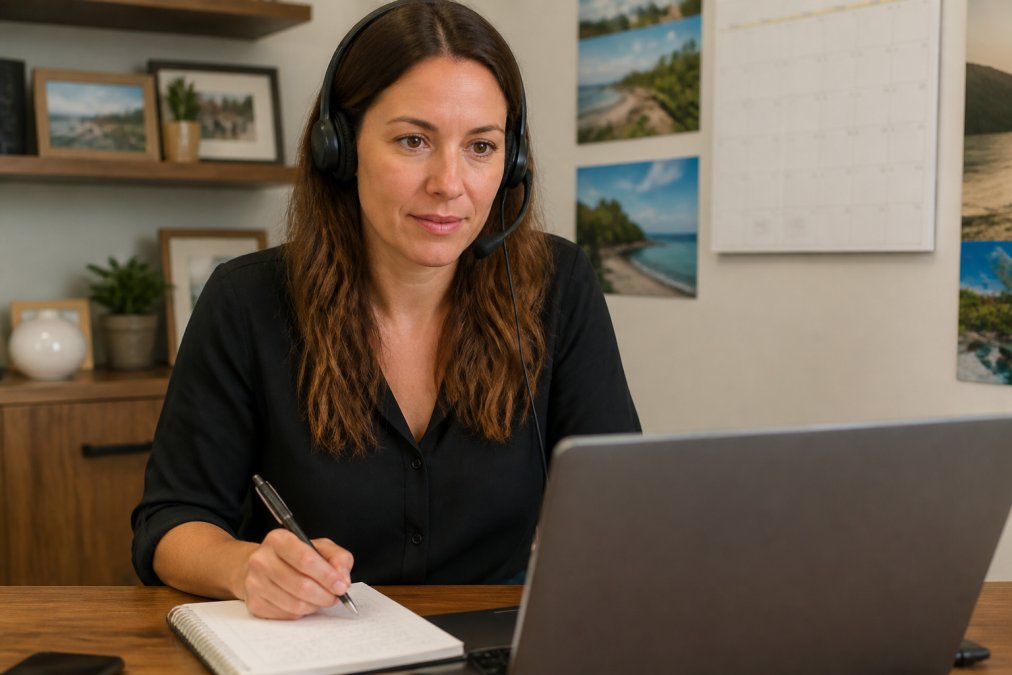
Turning complaints into loyalty opportunities
Guests who experience a problem and see it handled well often become more loyal than guests who never had a problem (peer-reviewed research). When you resolve a complaint effectively, follow up with a gesture, a 15% discount on their next stay, a bottle of local wine, or a personalized restaurant recommendation.
Invite them back with a message like: "We'd love the chance to show you an even better experience next time. We've made changes based on your feedback." Some of your most loyal repeat guests will come from complaint resolution.
Personalization and Active Listening: The Foundation of Guest Experience
Personalization is about showing guests you're paying attention. Active listening means reading what guests actually say, not what you assume they mean.

When a guest mentions "first time in Costa Rica," include beginner-friendly activity recommendations. When they mention traveling with kids, highlight family-friendly restaurants and safe beaches. Reference something specific about their stay: "We remember you loved the sunset from the patio, this time of year is even better for that."
Personalization also means respecting communication preferences. Ask in your pre-arrival message: "How often would you like to hear from us, daily, once during your stay, or only if you reach out?"
Omnichannel Communication: Meeting Guests Where They Are
Offer multiple communication channels: email, WhatsApp, phone, and your booking platform's messaging system. A guest who prefers WhatsApp shouldn't have to dig through email.
Use centralized inbox tools like Guesty, Akia, or Enso Connect to aggregate messages from multiple platforms into a single inbox. Respond consistently across all channels, matching response time to the channel's cultural expectation.
Post-Stay Retention: Converting One-Time Guests Into Loyal Direct Bookers
The moment a guest checks out is when most owners stop communicating. That's exactly when you should intensify your effort.
Your post-stay sequence should span 30 days with three strategic touchpoints. The first arrives within 24 hours of checkout: a thank you message with a request for feedback. The second arrives 7 days later with a direct booking incentive, offer a 10-15% discount if they book their next stay directly within 30 days. The third arrives 14-21 days post-stay with 3-5 photos from their stay, a handwritten note, and one insider recommendation.
Track which guests respond and which ones book direct. Over time, you'll build a database of repeat guests who generate predictable revenue without OTA commissions.
Effective guest communication is the difference between a property that generates decent returns and one that becomes a revenue engine. It's not about being perfect; it's about being responsive, personal, and genuinely invested in your guests' experience.
At Marquis Stays Property Management, we've built our entire approach around the principle that guest satisfaction drives direct bookings, and direct bookings drive revenue growth. Our team handles the communication logistics, templates, automation, and channel management so you don't have to. We ensure every guest interaction reflects the five-star hospitality your luxury property deserves. List My Property with us and let our data-driven approach transform your guests into loyal, direct-booking repeat customers.
Frequently Asked Questions
Q: How often should you communicate with guests before their arrival?
A: The best pre-arrival guest communication timeline follows a structured sequence: initial booking confirmation within 24 hours, property details 14 days before arrival, house rules and check-in instructions 7 days before, and a final reminder 2-3 days before. This spacing keeps guests informed without overwhelming them. Each message should serve a specific purpose, confirmation, logistics, or personalization, rather than repeating information. Spacing messages across weeks also allows guests time to ask clarifying questions before arrival.
Q: What are the 7 Cs of effective guest communication in vacation rentals?
A: The core principles for guest communication best practices include: Clear (straightforward language and instructions), Concise (respect guests' time), Courteous (professional and warm tone), Complete (answer all likely questions upfront), Consistent (uniform messaging across channels), Customized (personalized to individual guests), and Collaborative (invite feedback and questions). These principles reduce misunderstandings, improve satisfaction, and increase the likelihood of repeat bookings and positive reviews. Applying all seven creates a foundation for exceptional guest experience.
Q: Can automated guest messaging tools really improve guest satisfaction?
A: Yes, when configured correctly. Automated guest messaging tools reduce response time dramatically, guests receive instant confirmations and answers to common questions rather than waiting hours or days. This improves perceived service quality and reduces anxiety about check-in logistics. The key is using automation for predictable, templated scenarios (booking confirmation, check-in instructions, house rules) while reserving direct human communication for personalized touches, special requests, and problem-solving. The combination of fast automation plus human warmth creates superior guest experience compared to either approach alone.
Q: What should you do if a guest leaves a negative review or complains during their stay?
A: Address complaints during the stay immediately to preserve the relationship. Listen fully to the issue without defensiveness, acknowledge the guest's frustration, and explain your resolution plan within 24 hours. For negative reviews posted after checkout, respond publicly within 48 hours with empathy, offer a concrete solution (partial refund, future discount, or explanation), and move the detailed conversation to private channels. This demonstrates to future guests that you take feedback seriously. Most guests who receive a genuine, swift response become repeat bookers and update their reviews.
This article was written using GrandRanker