Table of Contents
- Why Hidden Beaches Matter for Family Vacations
- Top Hidden Beaches in Costa Rica for Families
- Family-Friendly Beach Towns in Guanacaste
- Swimming Safety at Costa Rica Beaches
- Best Time to Visit Costa Rica with Kids
- Accessibility, Parking, and Beach Amenities
- How to Reach Remote Beaches: Transportation and Logistics
- Planning Your Family Beach Day: What to Bring and When to Go
Last Updated: August 28, 2026
Why Hidden Beaches Matter for Family Vacations
Finding the right beach makes or breaks a family trip. The best hidden beaches in Costa Rica for families offer calm water for young children, safe play spaces, and breathing room away from crowds. Famous spots like Manuel Antonio and Tamarindo deliver lifeguards and infrastructure but also sunburned crowds and overpriced vendors. Hidden beaches require more effort to reach, filtering out casual day-trippers and rewarding families with genuinely swimmable waters, tide pools, and space. At Marquis Stays Property Management, we work with families renting luxury homes across Guanacaste and coastal regions, and we've watched which beaches create actual family memories. This guide covers which beaches have the calmest waters for toddlers, where strollers work, when crowds stay manageable, and how to reach them without a 4x4 vehicle.
Top Hidden Beaches in Costa Rica for Families
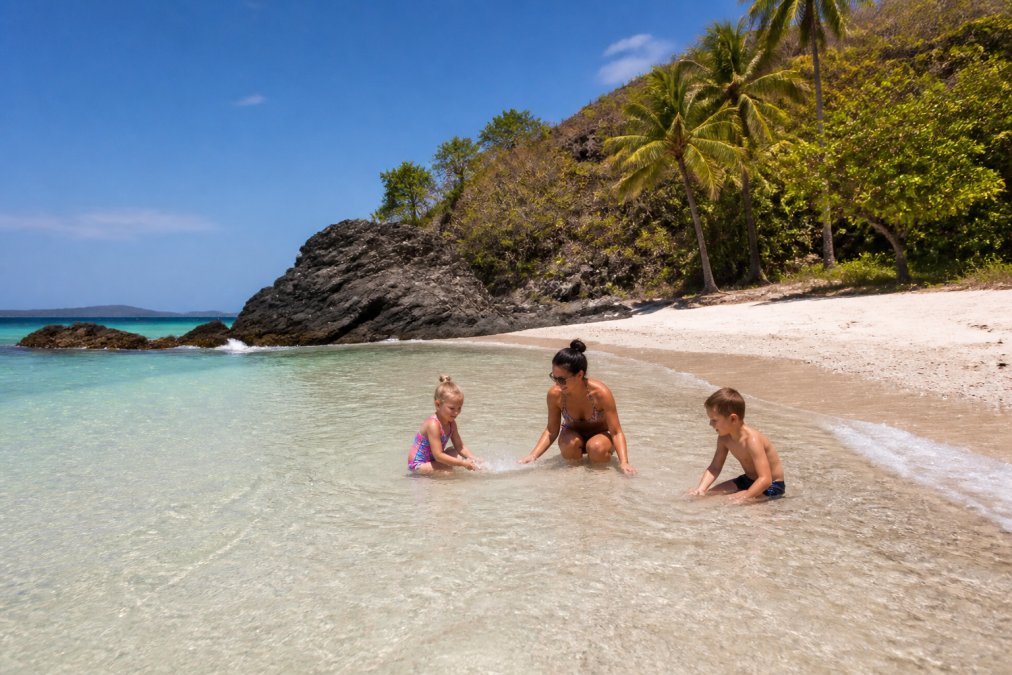
The best hidden beaches share three traits: calm water, reasonable access, and something for kids beyond sand.
Playa Conchal: White Sand and Tide Pools
Playa Conchal sits in Guanacaste, about 20 minutes south of Tamarindo. The name means "shell beach", the entire shoreline is crushed shells instead of sand, creating a pale surface and gentle slope into calm, north-facing water. Tide pools appear during low tide, filled with sea stars, fish, and anemones. Kids explore ankle-depth water for hours. The beach faces north, keeping water calm even when nearby beaches are rough. A small entrance fee ($5-10 per vehicle) funds maintenance and keeps the beach pristine. Parking is straightforward, bathrooms exist, and natural vegetation provides shade.
Limitation: No food vendors, so bring snacks and water. Visit during low tide for accessible tide pools.
Playa Pelada: Calm Waters Near Potrero
Playa Pelada sits just north of Potrero in northern Guanacaste. This small beach (roughly 300 meters) fills on weekends but stays quiet on weekdays. Rocky outcrops protect exceptionally calm water, ideal for toddlers and young swimmers. The shallow zone extends far out, letting kids wade without water reaching their waist. A paved road leads directly to the beach with free, abundant parking. A small restaurant on the sand serves casados (traditional plates), fresh fish, and cold drinks at reasonable prices. No lifeguard means you're responsible for water safety, but calm conditions and shallow water make supervision straightforward.
Playa Pelada works year-round. Dry season (December-April) brings better visibility and calmer conditions.
Playa Hermosa: Natural Caves and Snorkeling
Playa Hermosa (in Guanacaste, south of Tamarindo) offers natural rock formations, caves accessible at low tide, and shallow snorkeling. Rocky headlands frame both ends, creating dramatic enclosure. Clearer water than many hidden beaches supports fish and sea urchins. Kids explore caves and hunt crabs in rocks during low tide. Paved road to small parking area, no entrance fee. Basic but functional bathrooms.
Caution: Rocks require water shoes, and cave exploration depends on tide awareness. High tide closes caves entirely.
Playa Avellana: Off the Beaten Path
Playa Avellana sits 30 minutes south of Tamarindo. Known among surfers for consistent waves, the northern end is protected and calm for families. The beach is long and relatively empty even during peak season. Darker sand and warmer water distinguish it from northern beaches. Minimal development creates a genuine sense of exploration. Space, calm water on the north end, and authentic discovery appeal to families comfortable with self-sufficiency and longer drives. No lifeguard means you're responsible for planning and safety.
Family-Friendly Beach Towns in Guanacaste
Potrero sits closest to Playa Pelada with a genuinely local feel. A small grocery store, few restaurants, and school bring in local families. Accommodation ranges from basic to luxury vacation homes. Quiet, reasonable prices, 15 minutes from several hidden beaches.
Tamarindo offers full tourist infrastructure with restaurants, shops, and organized activities. Busier and more expensive, but reliable backup options. Hidden beaches are a short drive away.
Samara, south of Tamarindo, offers middle ground. Small beach town with local character and enough tourism infrastructure to feel safe. Beaches near Samara tend calmer than those near Tamarindo.
Choose your base on your family's tolerance for tourism infrastructure. Young kids often prefer Potrero or Samara for calm and local feel. Older kids wanting evening activities often choose Tamarindo.
Swimming Safety at Costa Rican Beaches
Water safety is essential. The best hidden beaches in Costa Rica for families require understanding actual water conditions.
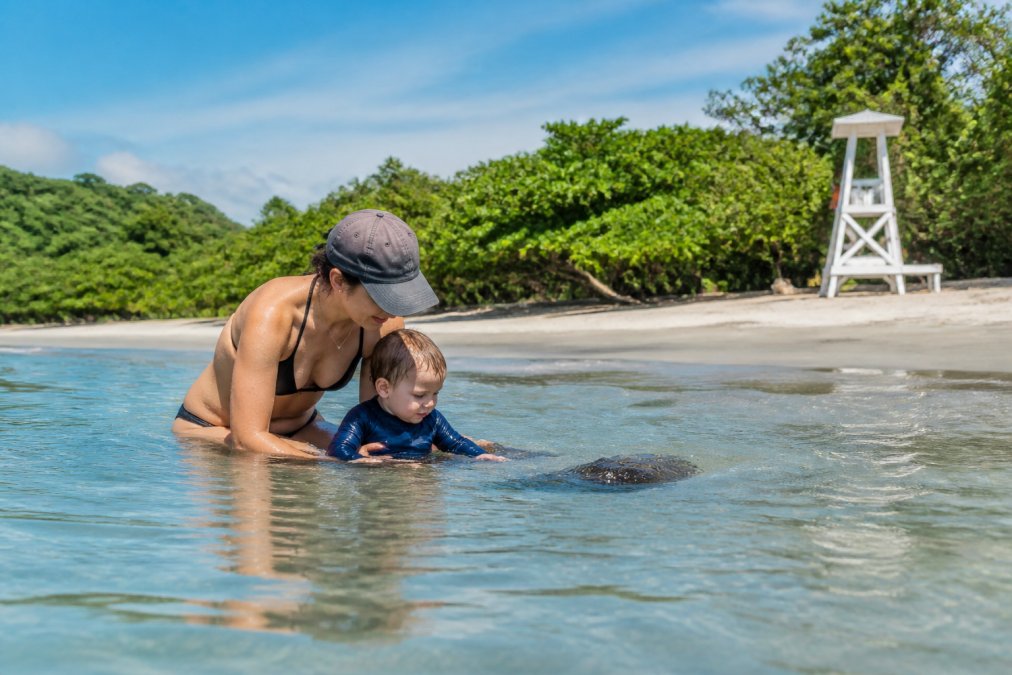
Rip currents exist. They're narrow channels of water moving away from shore, usually created by waves breaking over sandbars (noaa.gov). If caught, swim parallel to shore until exiting the current, then swim back. Never swim directly back fighting the current. Teach older kids this. Never let young children out of arm's reach in unfamiliar water.
Lifeguards are inconsistent. Famous beaches have them. Hidden beaches often don't. You're the responsible adult. Wade in yourself first. Watch for sudden drop-offs, rocks, or unusual currents. Talk to locals or restaurant staff about seasonal issues.
Sea urchins and rocks are common hazards on rocky beaches. Water shoes are essential. Teach kids to shuffle feet rather than step. If someone steps on a sea urchin, vinegar helps extract spines. Most cases are manageable; serious ones need medical attention.
Water temperature varies by season and location. Even in "warm" water, young children get cold quickly. Bring a rash guard or wetsuit for extended water time.
Sun protection is critical. Reef-safe sunscreen is essential, regular sunscreen damages coral. Apply frequently after swimming. Hats and rash guards work better than sunscreen alone for extended beach days.
Best Time to Visit Costa Rica with Kids
Timing matters significantly. Hidden beaches are dramatically different depending on when you visit.
Dry season (December-April) brings consistent sunshine, minimal rain, and calm waters. Peak tourist season means busier beaches and higher prices, but reliability appeals to families with limited vacation time. Water is clear and conditions predictable.
Green season (May-November) brings afternoon rain, lush vegetation, and dramatically fewer tourists. Prices drop significantly. Rain usually comes afternoons (mornings are clear), so plan beach time for mornings. Empty beaches and lower costs appeal to families comfortable with weather variability.
Shoulder months (May-June and September-October) offer compromise: fewer tourists than peak season, more reliable weather than green season's heart, and lower prices than dry season.
For families with young children, dry season reliability is often worth crowds and cost. For families with older kids and flexible schedules, green season delivers better value and genuine solitude.
Accessibility, Parking, and Beach Amenities
Understanding what "accessible" means matters. It doesn't mean wheelchair-friendly (most aren't). It means reaching the beach without special equipment and finding basic facilities.
Parking varies significantly. Playa Conchal has formal parking. Playa Pelada has free roadside parking. Playa Avellana has informal dirt lot parking.
Bathrooms and showers are inconsistent. Playa Conchal and Playa Pelada have functional bathrooms. Playa Hermosa has basic facilities. Playa Avellana has minimal infrastructure. Bring wet wipes and hand sanitizer as backup.
Stroller accessibility is limited. Most have sand from parking to water, which is stroller-hostile. Bring a beach wagon (large-wheeled cart for sand) if pushing a toddler.
Shade is natural vegetation or nothing. Bring an umbrella or beach tent. Equatorial sun is intense; overhead shade isn't optional for young children on extended beach days.
Food and water are minimal at hidden beaches. Playa Pelada has a restaurant. Others have nothing. Bring snacks, water, and lunch.
Emergencies and medical proximity matter. Playa Conchal and Playa Pelada are 20-30 minutes from Tamarindo's medical facilities. Playa Avellana is 45 minutes to an hour away. This is a reason to be more cautious about water depth and supervision, and to carry a first aid kit.
How to Reach Remote Beaches: Transportation and Logistics
Getting to hidden beaches requires planning. They're accessible by car, but the experience depends on your vehicle and comfort level.
Rental car is standard. You'll need a valid driver's license (US licenses are accepted). Consider an International Driving Permit as backup. Roads to hidden beaches are paved but sometimes rough. A regular sedan works for most beaches.
According to Adobe Rent a Car's family travel guidance, car seats are legally required for children under 12 in Costa Rica. Most rental companies offer car seats, but verify availability when booking.
Private transfer services are an alternative. Nomadtours Costa Rica's private transfer service offers door-to-door service from your accommodation to beaches. This eliminates navigation stress and allows you to relax during the drive. It's more expensive than rental cars but less stressful with young children.
Driving conditions vary. Main roads are paved and reasonable. Secondary roads to some beaches are rougher but passable in regular vehicles. Drive slowly, watch for potholes, and avoid driving at night.
Timing matters. Arrive early (8-9 AM) to secure parking and avoid midday sun. Most families leave by 2-3 PM as afternoon rain becomes more likely and afternoon sun is most intense.
Planning Your Family Beach Day: What to Bring and When to Go
Successful hidden beach days require specific preparation.
Essential items:
- Sunscreen (reef-safe, SPF 30+, reapply frequently)
- Hat and rash guard for each child
- Water shoes (essential for rocky beaches)
- Plenty of water and snacks
- First aid kit (bandages, antibiotic ointment, pain relief)
- Wet wipes and hand sanitizer
- Towel and change of clothes
- Beach bag or backpack
Nice-to-have items:
- Beach umbrella or tent for shade
- Waterproof bag for phones and valuables
- Snorkel gear if your kids are interested
- Floaties or swim vests for non-confident swimmers
- Cooler with ice packs
Timing your day:
- Arrive early (8-9 AM) to avoid crowds and midday heat
- Plan to leave by 2-3 PM to avoid afternoon rain and intense sun
- Check tide tables before you go
Weather planning:
- Check the forecast, but understand it's often inaccurate
- Afternoon rain is normal in green season; plan beach time for mornings
- Bring a lightweight rain jacket or poncho
Safety checklist before entering the water:
- Wade in yourself first to understand conditions
- Talk to locals or restaurant staff about current conditions
- Know where your children are at all times
- Understand rip currents and how to escape them
- Know the location of the nearest medical facility
The best hidden beaches in Costa Rica for families aren't about luxury or Instagram moments. They're about finding places where your kids can play safely, where water stays calm for young swimmers, and where you're not fighting crowds. The beaches we've covered deliver on those basics and are accessible to families willing to do the planning work.
At Marquis Stays Property Management, we help families rent luxury vacation homes across Guanacaste and coastal regions. Our team knows these beaches intimately and can help you plan days that work with young children. When you book a property with us, you get local expertise, 24/7 support, and guidance on everything from beach logistics to emergency medical contacts. We handle operational details, housekeeping, maintenance, and guest communication, so you can focus on time with your family. List My Property with Marquis Stays and discover why families choose us for their Costa Rican vacation home management.
Frequently Asked Questions
Which Costa Rican beaches are best for families with young children?
Playa Pelada, Playa Conchal, and Playa Hermosa are excellent choices for young families. These hidden beaches offer calm, swimmable waters with low tide areas perfect for toddlers, tide pools for exploration, and natural shade from coastal vegetation. Proximity to family-friendly beach towns in Guanacaste means nearby amenities, restaurants, and medical facilities are accessible within 15-30 minutes.
How do I access hidden beaches in the Guanacaste region?
Most hidden beaches require either a rental car or a private transfer service. Playa Pelada is accessible via a short walk from Potrero. Playa Conchal requires driving through a residential area to a public access point. Playa Hermosa involves a scenic drive with parking available near the entrance. Consider hiring a private transfer service like Nomadtours Costa Rica if you're unfamiliar with local roads or prefer stress-free navigation with young children.
What is the best time of year to visit Costa Rica's quiet beaches?
The green season (May to November) offers fewer crowds and lower prices, though afternoon rain is common. For families prioritizing calm waters and predictable weather, December to April is ideal. February and March see peak crowds but guarantee sunny days and minimal rainfall. Plan around your children's school calendar and your tolerance for occasional rain.
What safety precautions should families take at remote Costa Rican beaches?
Always check tide schedules and water conditions before visiting. Avoid swimming during high tide or when rip currents are visible. Apply reef-safe sunscreen to protect both your family and marine life. Bring first aid supplies and know the location of the nearest medical facility. Keep toddlers within arm's reach in shallow water. Inform your accommodation or rental property manager of your beach plans for emergency contact purposes.
This article was written using GrandRanker